Mārama (2026) Review — Gothic Horror with a Vengeance
You step off the carriage and your boots hit gravel that crunches like teeth. The mansion looms ahead — all spires and black windows — and somewhere inside, a woman is crying. Or laughing. It’s honestly hard to tell at this hour. The letter in your pocket promised answers about your family. It did not promise you’d leave with all your blood still inside your body.
The candles light themselves. That’s the first thing you notice. The second is the portrait gallery: rows of pale, powdered faces staring down at you like you’re the exhibit, not them. And then you see it — a face that looks exactly like yours, painted two hundred years ago, and suddenly the floorboards feel very, very thin beneath your feet.
Welcome to Mārama, ghouls. Pack a coat, pack a crucifix, and maybe pack a lawyer, because this inheritance is about to get messy.
The Review
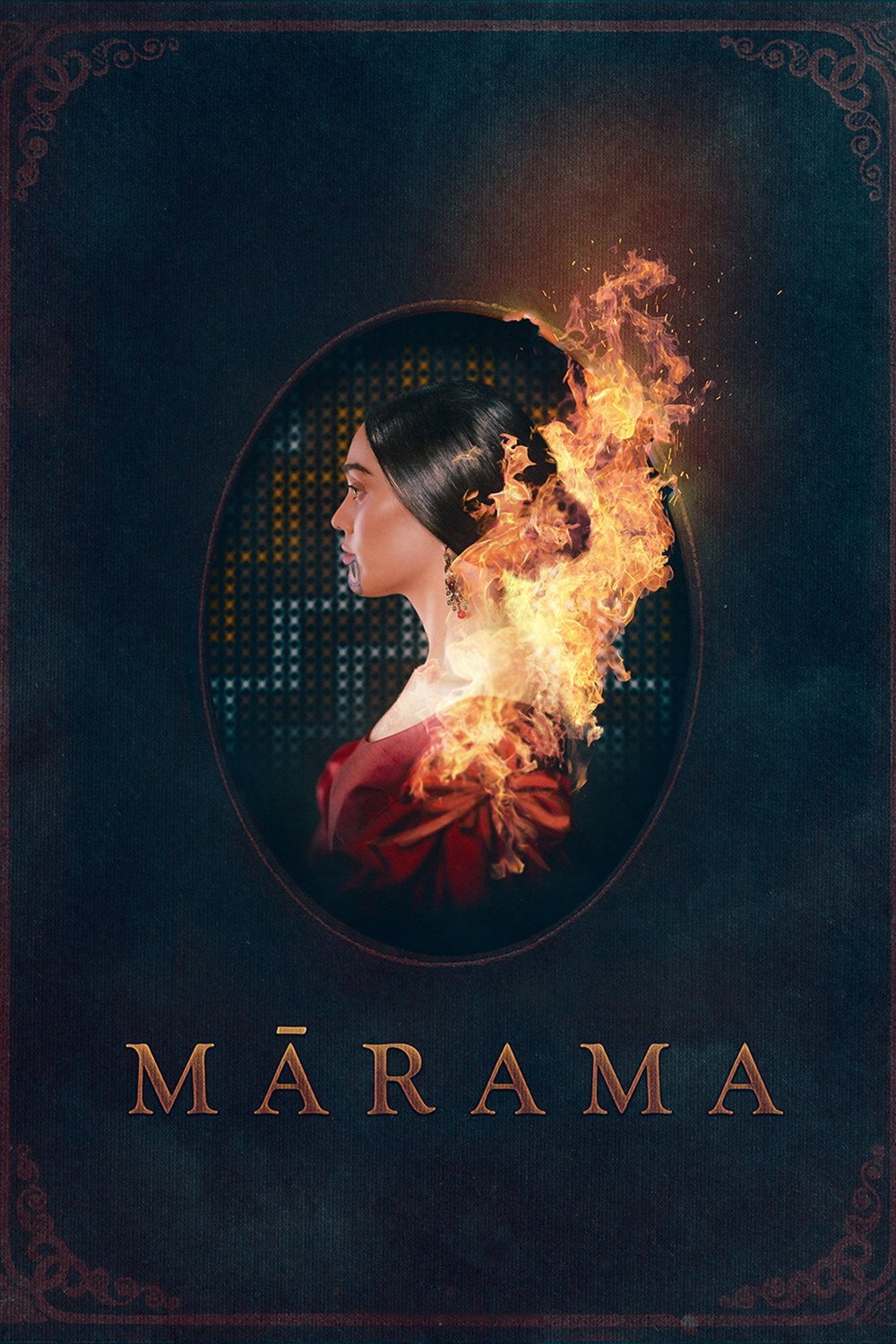
The setup is a gothic horror dream: 1859. Mary, a young Māori woman, crosses the world to Victorian England and walks straight into the belly of a grand estate — where she uncovers a horrific colonial heritage tangled up in her own bloodline. That’s the engine, and I won’t touch the steering wheel beyond that. No spoilers from this crypt.
What works? The atmosphere, for starters — this movie sweats fog and candlelight, and the mansion is as much a character as anyone with a speaking role. Then there’s the angle: this is anti-colonial revenge horror, and it never once confuses who the monster is. The empire is the horror here, not the culture — and the film treats that with real respect while still delivering the red stuff. The revenge, when it comes, is earned. And oh, it is satisfying.
Ariāna Osborne carries the whole haunted house on her back as Mary — quiet, watchful, and absolutely volcanic when the mask finally slips. Toby Stephens is deliciously rotten as Sir Nathaniel Cole, the kind of aristocrat who’d apologize for the weather while ordering your execution. Umi Myers and Errol Shand round out the cast with solid support, even if the script doesn’t give them quite enough to chew on.
Now, the cobwebs: the middle act sags a little — there’s a stretch of letters and diaries that leans too hard on telling instead of showing, and I caught myself checking the grandfather clock once or twice. One supporting thread feels thinner than the graveyard mist. But at a lean 89 minutes, nothing overstays its welcome, and the finale pays off every slow burn like a slot machine in a mausoleum.
And let’s pour one out for Taratoa Stappard, making his feature directorial debut here. For a first-timer, the confidence is startling — the film looks expensive, the tone never wobbles, and he directs scares like someone who’s been doing it for decades. If this is the warm-up, I am genuinely nervous (in the good way) about what he does next.
Bottom line, fiends: Mārama is the rare revenge horror that has something to say and says it with a knife. Smart, stylish, and spooky in all the right places. For more deep cuts and horror lore, go lose yourself in the Think Horror wiki — then come back and tell me I was right. (I was right.)
Trivia & Facts
- Mārama is a Māori word — glossed as “moon,” or as “light” and “clarity” depending on context. And yes, the macron over the first ā (a tohutō) matters. Respect it.
- Written and directed by Taratoa Stappard — his feature directorial debut.
- Stars Ariāna Osborne as Mary and Toby Stephens as Sir Nathaniel Cole, with Umi Myers and Errol Shand.
- Clocks in at a lean, mean 89 minutes.
- Premiered at the Toronto International Film Festival in September 2025.
- New Zealand theatrical: February 12, 2026. US limited: April 17, 2026. Digital: June 9, 2026. Shudder: September 11, 2026.
- Set in 1859 — peak “the empire is definitely the villain” era.
Harper’s Extras
- Watch it at night, lights off, phone in another room. This one rewards your full, trembling attention.
- Double-feature idea: pair it with my Exit 8 (2026) review — two 2026 horror joints about places that refuse to let you leave. One’s a subway, one’s a manor. Both are traps.
- Snack pairing: something warm and buttery. You’ll want comfort food after this one.
- Post-movie ritual: go outside, look at the moon, and whisper “mārama.” You’ll feel very cultured and only slightly cursed.
Where to Watch
- Streaming on Shudder from September 11, 2026.
- Available on digital rental and purchase from June 9, 2026.
- Previously: New Zealand theatrical (February 12, 2026) and US limited theatrical (April 17, 2026).
Frequently Asked Questions
What does Mārama mean?
Mārama is a Māori word often glossed as “moon,” or as “light” and “clarity” depending on context. The macron over the first ā (called a tohutō) lengthens the vowel — so spell it Mārama, not Marama, when you’re being fancy. (For search engines, though, “Marama 2026 review” works just fine — that’s how most people type it.)
Where can I watch Mārama (2026)?
Mārama is streaming on Shudder from September 11, 2026, and it’s available on digital rental and purchase from June 9, 2026. It previously played in New Zealand cinemas (February 12, 2026) and in a limited US release (April 17, 2026).
Who directed Mārama (2026)?
Taratoa Stappard wrote and directed Mārama — it’s his feature directorial debut, and a seriously confident one.
What is Mārama (2026) about?
Set in 1859, it follows Mary, a young Māori woman who travels to Victorian England and discovers a horrific colonial heritage tied to her own bloodline. Gothic anti-colonial revenge horror — spooky, stylish, and kept spoiler-light here, the Harper way.