
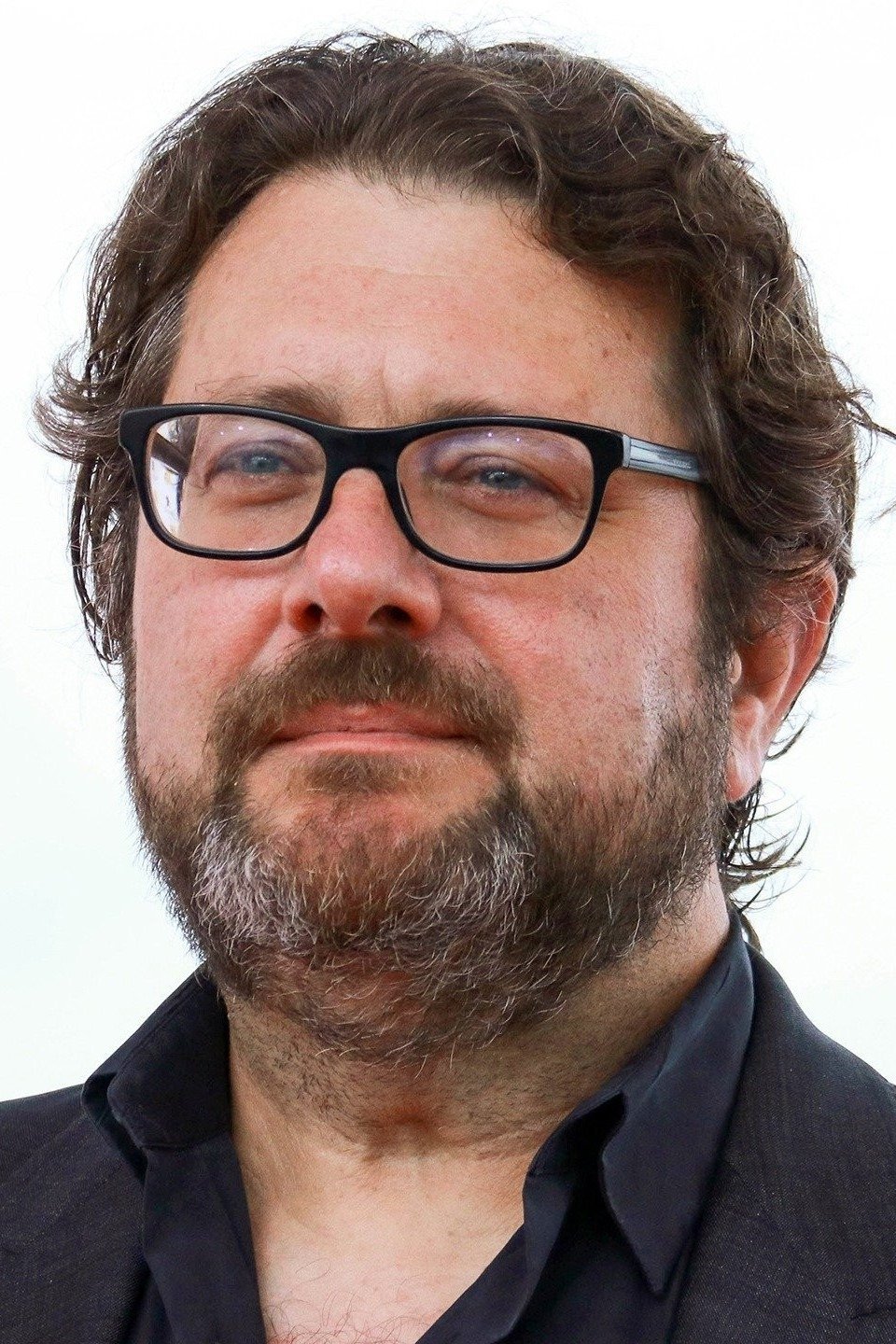
Bernard Rose (born August 4, 1960) is the British filmmaker who took Clive Barker’s Liverpool ghost story and rebuilt it in Chicago’s Cabrini-Green as Candyman — one of horror’s most haunting urban legends.
Quick Specs
- Born: August 4, 1960, London, England
- Known for: Candyman (1992), Paperhouse (1988), Immortal Beloved (1994)
- Role: Director, screenwriter
- Active: 1986–present
The kid with the Super 8 camera
Rose was making Super 8 films at nine years old, in London, the son of a Jewish father and a mother who had converted to Judaism — his maternal grandmother was a granddaughter of the Earl Jellicoe. By 1975, at fifteen, he won an amateur film competition hosted by the BBC, and his three-minute film aired on national television. That’s not a hobby. That’s a calling with receipts.
The calling took a strange detour through puppetry. Rose worked for Jim Henson on the last season of The Muppet Show — as a gofer in the puppet workshop — and again on The Dark Crystal in 1981. Then came the National Film and Television School, where he graduated in 1982 with a Master’s in Filmmaking. Out of school, he landed in the early-MTV gold rush, directing music videos for UB40, Bronski Beat, and Frankie Goes to Hollywood — including the uncensored version of “Relax,” the video too hot for broadcast. Horror fiends, remember this: the man who would film one of the most sensual horror movies ever made started by filming the most banned pop video of the decade.
The work, film by film
Paperhouse (1988) was the first feature, and it announced everything. A girl’s drawings start manifesting in the real world with lethal consequences — dream logic, childhood dread, images that feel hand-painted. It won festival prizes and BAFTA attention for its visuals. Then came Chicago Joe and the Showgirl (1990), a wartime crime romance, before the film that changed his life.
Candyman (1992) made Rose’s name in America and never let go of it. He wrote and directed, adapting Barker’s short story “The Forbidden” from the Books of Blood. The masterstroke — the one film students still write papers about — was the relocation: Barker’s story sat in a Liverpool housing estate and chewed on the British class system. Rose moved it to Chicago’s Cabrini-Green public housing development and aimed it squarely at race and class in inner-city America. Graduate student Helen Lyle (Virginia Madsen) researches urban legends, says the name five times in a mirror, and summons Daniel Robitaille — Tony Todd, hook-handed, bee-chested, magnificent. Philip Glass’s score drifts over it all like smoke. Made for $8–9 million, it grossed over $25 million in the US and settled into the canon as a contemporary classic.
What followed was the career of a restless literary mind. Immortal Beloved (1994) — Beethoven, Gary Oldman, swooning and strange. Anna Karenina (1997) with Sophie Marceau. Ivans xtc (2000), a Dostoevsky riff on Hollywood self-destruction that earned Rose an Independent Spirit Best Director nomination. A contemporary Frankenstein (2015). The Japanese historical drama Samurai Marathon (2019). Over twenty features, and almost none of them boring.
What he actually did on the movies
The Candyman origin story is a filmmaker’s fairy tale. Rose met Barker by chance — Barker had just finished his own troubled adaptation of Nightbreed — and Rose expressed interest in “The Forbidden.” Barker licensed the rights. That handshake produced the most consequential relocation in horror history: Liverpool to Cabrini-Green, class to race, a ghost story to a reckoning.
Rose shot on location in the actual Cabrini-Green, where real hazards shaped the atmosphere you feel on screen. He cast Tony Todd after seeing the stage-trained actor’s presence — six-foot-five, a voice like a cellar door — and let Todd and Madsen build their characters’ backstories in rehearsal. The interracial love affair at the story’s heart isn’t in Barker’s book; Rose invented it, and with it the film’s tragic engine: Daniel Robitaille, the educated son of a slave, a portrait painter lynched for loving a white landowner’s daughter, hand severed, honey-smeared, left to the bees. And the bees were real. Todd was stung during the shoot and stayed in the scene. That’s the kind of set Rose ran.
The cool information
Here’s the detail that tells you who Bernard Rose is: Philip Glass has scored multiple Rose films, from Candyman through The Kreutzer Sonata (2008). Minimalism and existential dread — that’s the Rose frequency. He has a repertory company, too: Danny Huston has starred in four of his films (Ivans xtc, The Kreutzer Sonata, Boxing Day, Two Jacks), and Tony Todd kept returning. Rose champions practical effects and literary sources with a contrarian streak — he’s the rare director who treats a Tolstoy adaptation and a hook-handed ghost with the same visual seriousness. His influences run to Powell and Pressburger; the painterly compositions aren’t an accident.
And that “Relax” video? The uncensored cut — the one the BBC wouldn’t touch — was Rose’s. The man understood forbidden images before he ever filmed a forbidden name in a mirror.
Signatures and habits
Literary adaptation is the spine: Barker, Tolstoy (twice — Anna Karenina, The Kreutzer Sonata, plus the Two Jacks short-story riff), Dostoevsky, Mary Shelley, Beethoven’s letters. Inner lives colliding with outer realities, filmed like paintings. Recurring collaborators over one-off hires. Music as architecture — Glass’s pulsing minimalism isn’t decoration, it’s load-bearing. And a willingness to let a location do half the directing: Cabrini-Green isn’t a backdrop in Candyman, it’s a character.
Why he matters
Before Candyman, the urban legend horror movie barely existed as a form — The Faculty, Urban Legend, and a decade of imitators all follow the trail Rose cut. More than that, he proved a horror film could be about American racial violence and still work as a ghost story — could be more frightening for it. The 2021 sequel, directed by Nia DaCosta and co-written by Jordan Peele, exists because Rose’s film earned its place in the canon: a mirror held up to a divided country, with a hook for a hand. Say his name.