
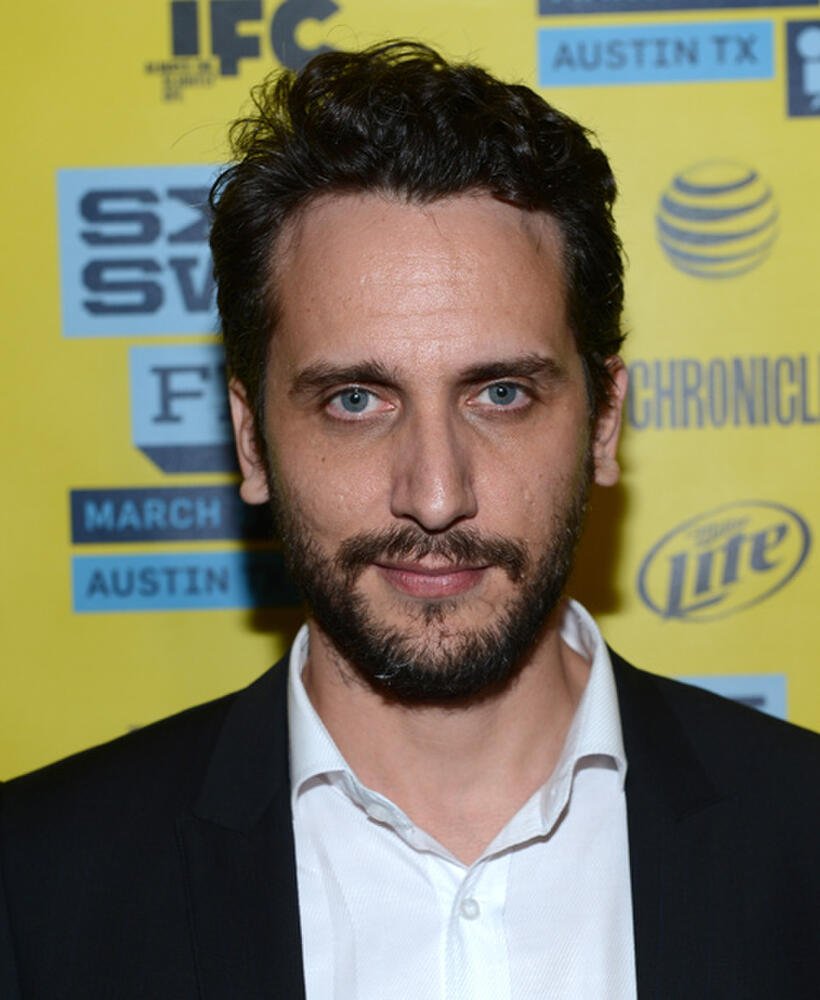
Fede Alvarez is the Uruguayan director who went from a YouTube short to Hollywood’s biggest horror franchises.
Quick Specs
- Born: 9 February 1978, Montevideo, Uruguay
- Known for: Evil Dead (2013), Don’t Breathe, Alien: Romulus
- Occupations: Director, screenwriter, producer
- Years active: 2001–present
- Based in: Los Angeles
Overview
A kid in Montevideo with a VHS camcorder grew up to be the guy Hollywood hands its most precious monsters. Fede Alvarez made a five-minute alien-invasion short, put it on YouTube, and a few weeks later he had a deal with Sam Raimi’s Ghost House Pictures. He turned that deal into the Evil Dead remake, then walked away from franchise temptation to make a small home-invasion thriller called Don’t Breathe that outgrossed almost everything in its path. Then he did the impossible one more time: he took the Alien franchise — the one everybody said was broken — and made Romulus, a $351 million reminder that the xenomorph is still the scariest thing in space. He’s the director studios call when the monster has to feel real again.
The Life
Federico Javier Álvarez Mattos was born 9 February 1978 in Montevideo, Uruguay. He’s said seeing Alien at twelve rewired him — after that, he was shooting films on a VHS camcorder around Montevideo with his friends. In his twenties he directed commercials. Then came the short that changed everything: Ataque de Pánico! (Panic Attack!, 2009), giant robots invading Montevideo, with the visual effects done by Alvarez himself. It screened at the Buenos Aires Rojo Sangre festival on 31 October 2009, and a few weeks later Alvarez had a deal with Ghost House Pictures to direct a $30–40 million sci-fi film. His first Ghost House project ended up being something else entirely: the Evil Dead remake.
The Work
Evil Dead (2013) was Alvarez’s feature debut, which he co-wrote and directed, starring Jane Levy, Shiloh Fernandez, and Lou Taylor Pucci. No Ash, no jokes — a straight, brutal horror take that split longtime fans and won the box office anyway: it opened at number one with $25.8 million and finished at $97.5 million worldwide on a $17 million budget. After that, Alvarez has said he felt “the temptation to do big franchises” — and did the opposite. Don’t Breathe (2016), which he co-wrote, directed, and produced, flipped the home-invasion movie inside out: three burglars break into a blind veteran’s house and discover the blind veteran, played by Stephen Lang, is the most dangerous thing in it. It grossed over $157 million worldwide and left a mark on the genre. He’s also said he turned down a Marvel movie in this period, feeling he would have little creative control over it.
The Girl in the Spider’s Web (2018) was the detour — a Millennium-series reboot with Claire Foy as Lisbeth Salander and LaKeith Stanfield co-starring — and it didn’t catch fire the way his horror films did. He bounced back on his own terms. Calls (2021), the Apple TV+ series he created, directed, and wrote, told nine stories almost entirely through phone calls and animated visuals, and won an Emmy for Outstanding Motion Design plus a WGA nomination. Don’t Breathe 2 (2021) was co-written and co-produced by Alvarez and directed by his writing partner Rodo Sayagues. The 2022 Texas Chainsaw Massacre, which Alvarez produced from his story, hit number one on Netflix’s Top 10.
Then came Alien: Romulus (2024), co-written with Sayagues and directed by Alvarez, starring Cailee Spaeny and David Jonsson as young colonists who scavenge a derelict space station and find the worst possible tenants. Set between Alien (1979) and Aliens (1986), the seventh installment in the series, it grossed $350.9 million worldwide on an $80 million budget and earned an Academy Award nomination for Best Visual Effects. A sequel is in development: Alvarez is writing it, but he’s passing the directing torch and staying on as producer — because, as he’s put it, he wants to make sure nobody kills off the characters he created the way Alien 3 did to Hicks and Newt.
The Alvarez Touch
Alvarez builds dread out of confinement and contact. A blind man’s house. A cabin in the woods. A derelict station with no way out. His horror is physical first — practical effects, real sets, a camera that stays close enough to feel the impact — and the scares land because the monster is always in the room, not on a screen somewhere else. He calls Alien “Star Wars’ evil sister,” the franchise he grew up on, and he directs it with a fan’s reverence and a predator’s patience. He told Remezcla his sets run more Spanish than English. The result is horror that feels handmade even at blockbuster scale.
Why He Matters
Alvarez rebuilt two franchises by going back to what made them scary in the first place. Evil Dead worked because it was mean, gory, and practical. Romulus worked because it remembered that Alien is a horror franchise first and a mythology second. Between them, Don’t Breathe proved he didn’t need a famous monster at all — just a locked door, a secret, and Stephen Lang listening in the dark. He’s the rare director who gets handed the keys to other people’s monsters and returns them scarier than he found them.
Trivia & Facts
- Ataque de Pánico! runs about five minutes, features giant robots stomping through Montevideo, and Alvarez handled the visual effects himself. It screened 31 October 2009; the Ghost House deal followed within weeks.
- Alvarez was confirmed in 2017 to direct a Labyrinth spin-off. He stepped down as director in April 2020.
- He calls Alien “Star Wars’ evil sister” — and Romulus is his love letter to the horror side of that equation.
- Romulus earned an Academy Award nomination for Best Visual Effects.
- He is writing the Romulus sequel but passing the directing torch, staying on as producer.
FAQ
Who is Fede Alvarez?
A Uruguayan director behind Evil Dead (2013), Don’t Breathe (2016), and Alien: Romulus (2024) — horror built on practical effects and confinement dread.
How did Fede Alvarez get discovered?
His 2009 short Ataque de Pánico! blew up on YouTube, and within weeks he had a deal with Sam Raimi’s Ghost House Pictures.
Is Alien: Romulus connected to the other Alien movies?
Yes. It’s set between Alien (1979) and Aliens (1986) — the seventh installment in the series.
Will Fede Alvarez direct the Alien: Romulus sequel?
No. He’s writing it and staying on as producer, but passing the directing job to someone else.