
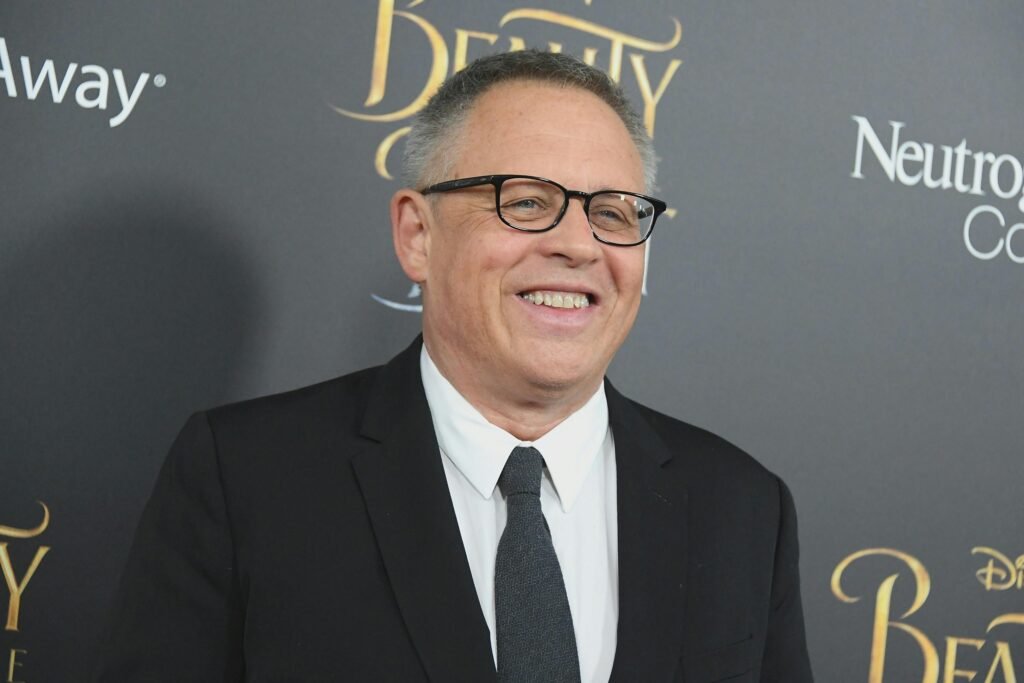
Bill Condon (born October 22, 1955) is the Oscar-winning filmmaker whose most personal film is a ghost story about the man who made Frankenstein — and whose career began in horror’s bargain basement.
Quick Specs
- Born: October 22, 1955, New York City
- Known for: Gods and Monsters (1998), Chicago (2002, writer), Dreamgirls (2006)
- Role: Director, screenwriter
- Active: 1981–present
The philosophy major who loved reviled movies
William Condon grew up in New York City, the son of a police detective, raised in an Irish Catholic family. He attended Regis — the Jesuit all-boys school in Manhattan — then Columbia, graduating in 1976 with a degree in philosophy. Two movies detonated inside him along the way. At twelve, Bonnie and Clyde made him want to write screenplays — he later said part of the pleasure was feeling “part of the movement and part of that fun.” In college, Bob Fosse’s Sweet Charity did something stranger: it started what Condon called “a lifelong love affair with movies that are reviled and rejected in their time.”
Hold that sentence, horror fiends. It’s the Rosetta Stone for his whole career.
After Columbia, Condon worked as a film journalist for American Film and Millimeter magazines — and in 1981 won the Village Voice’s self-described “world’s most difficult film trivia quiz.” A freelance piece caught the eye of producer Michael Laughlin, who hired him to co-write two off-beat genre pictures: Strange Behavior (1981), a mad-doctor flick, and Strange Invaders (1983), an alien-invasion picture. Condon had talked his way into the movies through the side door, writing the kind of films he’d loved as a reviled-movie romantic.
The work, and the horror in it
His directorial debut, Sister, Sister (1987), was a Southern gothic thriller — Jennifer Jason Leigh and Eric Stoltz in a swamp-surrounded plantation house full of secrets. Cable telefilms followed. Then, in 1995, came the job that put him inside a horror franchise: Candyman: Farewell to the Flesh, the sequel to Bernard Rose’s classic, relocating the hook-handed ghost to New Orleans and deepening the voodoo lore. It didn’t match the original’s chill, but it kept Condon fluent in the genre’s grammar.
Then came the film that changed everything. Gods and Monsters (1998), which Condon wrote and directed from Christopher Bram’s novel, imagines the final days of James Whale — the director of Frankenstein (1931) and Bride of Frankenstein (1935) — as an aging, ailing gay man (Ian McKellen, magnificent) haunted by his own creations and befriended by a young gardener. It’s a horror movie about the man who made horror movies, and it won Condon the Academy Award for Best Adapted Screenplay. An openly gay filmmaker telling the story of a gay horror pioneer, with tenderness and without apology — in 1998, that was its own kind of bravery.
Hollywood opened its wallet. Condon wrote Chicago (2002) — Oscar nomination, box-office smash. He wrote and directed Kinsey (2004), the Liam Neeson biopic of the sex researcher. He directed Dreamgirls (2006). Then the curveball nobody saw coming: the final two chapters of the Twilight saga, Breaking Dawn Parts 1 and 2 (2011–2012) — vampire melodrama on a blockbuster scale, which made him one of the most commercially successful directors alive whether the critics liked it or not. Mr. Holmes (2015) with McKellen again. Disney’s live-action Beauty and the Beast (2017), which grossed over a billion dollars.
What he actually did on the movies
On Gods and Monsters, Condon did the thing he does best: he found the human inside the icon. Whale wasn’t a prop — he was a man who made monsters and then outlived the world that loved them, lonely, funny, haunted by the drowning scene he never quite explained. McKellen’s performance is the headline, but the screenplay’s architecture is Condon’s: the interviews-with-a-gardener frame, the fantasy sequences bleeding into memory, the refusal to sand down Whale’s sexuality or his sadness. The Academy gave him the Oscar. Horror got one of its great elegies.
On Farewell to the Flesh, he inherited Tony Todd’s ghost and tried to give the mythology roots — a family line, a New Orleans history. The film’s reputation has only grown among franchise devotees, even if it never escaped the original’s shadow.
The cool information
That trivia-quiz win isn’t a footnote — it’s the thesis. Condon is a scholar of the disreputable, the guy who can place any frame and loves the movies nobody else defends. Sweet Charity flopped in 1969; Condon loved it anyway, and that instinct — championing the reviled — runs straight through Gods and Monsters, a film about a director Hollywood had filed under “old horror guy” and forgotten.
He’s also one of the few filmmakers to move between an Oscar podium and a billion-dollar Disney musical without losing his voice. And he did it as an openly gay man in an industry that wasn’t always glad to hear it — Gods and Monsters and Kinsey are both, in their way, about people punished for telling the truth about desire.
Signatures and habits
Literary adaptation with a beating heart. Outsiders as protagonists — Whale, Kinsey, the Dreamgirls strivers. A scholar’s precision about the past, whether it’s 1930s Hollywood or 1950s Indiana. And the musical-theater kid never left: even his dramas move like stage pieces, all entrances and arias.
Why he matters
Every horror fan who wept at Gods and Monsters knows why. Condon gave the genre its most humane self-portrait — a film that says the people who made your nightmares were people, with desires and regrets and jokes, and that their monsters outlived them because they were true. He started in the bargain basement and ended up holding an Oscar for writing about Frankenstein’s father. The reviled movies had the last laugh, and so did he.