
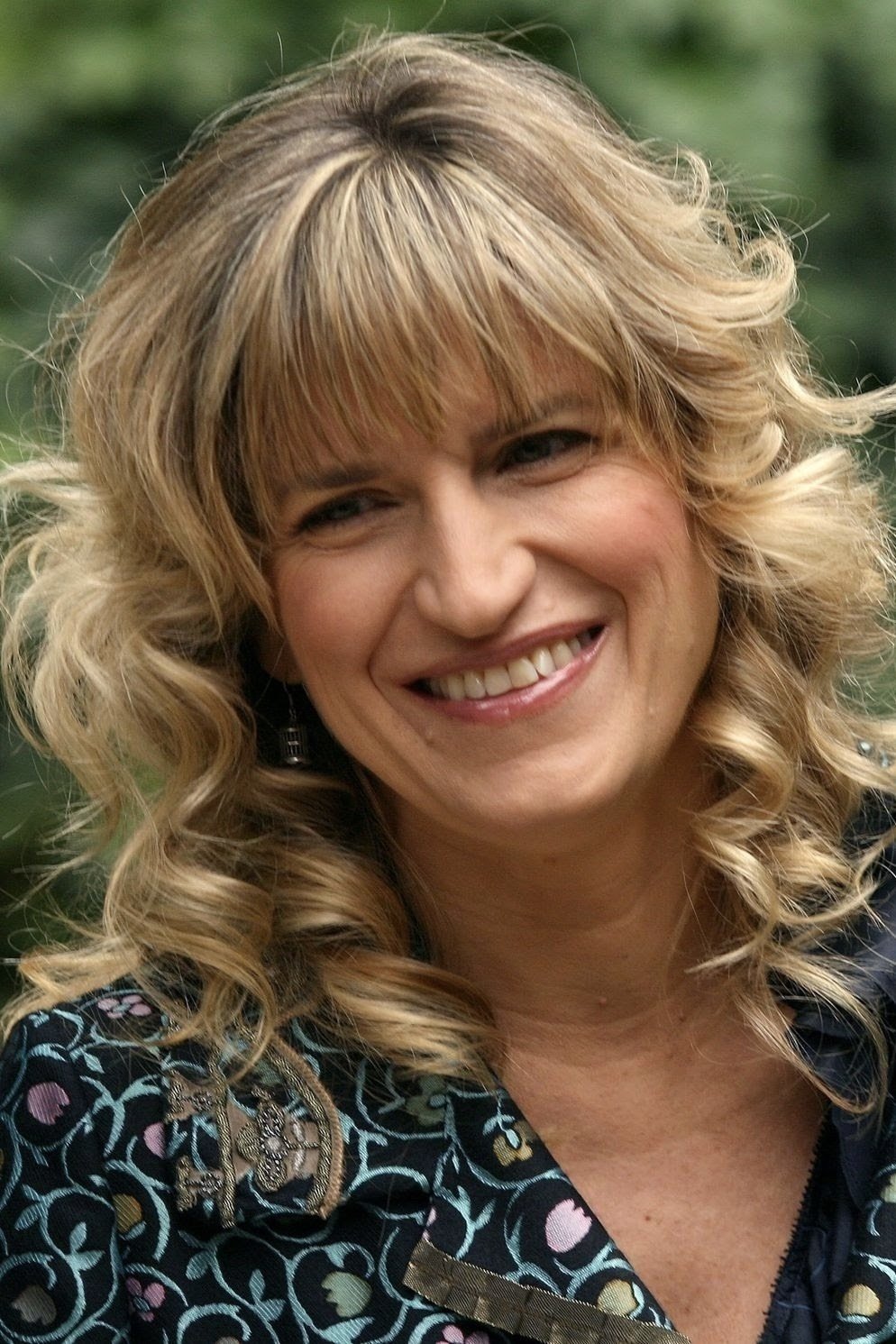
Catherine Hardwicke (born October 21, 1955) is the American director who launched the Twilight phenomenon and made the werewolf horror Red Riding Hood — after two decades designing the worlds other directors filmed.
Quick Specs
- Born: October 21, 1955, Harlingen, Texas
- Known for: Thirteen (2003), Lords of Dogtown (2005), Twilight (2008)
- Role: Director, production designer, screenwriter
- Active: 1986–present
The architect from the border
Hardwicke grew up in McAllen, Texas, on the U.S.–Mexico border, where her family owned and operated a farm along the Rio Grande. Raised Presbyterian, she describes the childhood as “wild” — her high school principal was stabbed three times, a friend’s father was shot in the back, another friend was murdered. “And yet life could be wonderful at the same time,” she’s said. “‘It was a Huck Finn life, too.'” She didn’t see many movies — “a cultural wasteland,” she called it, three hours from the nearest significant museum — but she snuck across to Mexican bars and nightclubs before she was legal. “It was a wonderful childhood. I’m dying to make a movie about it.”
She went to the University of Texas at Austin and earned a degree in architecture. One of her post-graduation projects: a 20-acre solar townhouse complex built around a man-made lake, waterfalls and swimming pools included, on land her father owned. She studied art in Mexico, then headed to UCLA film school, where her short Puppy Does the Gumbo — live action mixed with animation — won a Nissan Focus Award. Architecture was the training. Film was the calling.
The work, and the horror in it
Before she ever directed, Hardwicke designed. Over twenty films as a production designer and art director: Tombstone (1993), Tank Girl (1996), Three Kings (1999), Vanilla Sky — plus cult weirdness like Tapeheads, I’m Gonna Get You Sucka, and Freaked. She learned to build worlds from the inside out, which is why her films feel like places.
The directorial debut, Thirteen (2003), co-written with its 14-year-old co-star Nikki Reed, was a harrowing portrait of teenage freefall — made for under $2 million, winner of Sundance’s directing award, and it got Holly Hunter an Oscar nomination. Lords of Dogtown (2005) took on 1970s skate culture with Heath Ledger and Emile Hirsch, all concrete and sun-bleach.
Then Twilight (2008). Summit handed her Stephenie Meyer’s vampire romance, a $37 million budget, and the weight of a rabid fandom. She brought her trademark realism to the fantastical — misty Forks, Washington as a real place, teenage longing played straight — and the film grossed nearly $400 million worldwide, making her the most commercially successful woman director in Hollywood at that moment. Peter Facinelli, who played Carlisle Cullen, said she was “like an Energizer bunny all day long. I never saw her sit down.” Summit replaced her for New Moon, citing schedule pressure — the official line was she wouldn’t have time for her vision on their aggressive timeline.
The horror entry proper: Red Riding Hood (2011), a gothic werewolf thriller starring Amanda Seyfried and Gary Oldman. A village, a beast, a girl in a red cloak — Hardwicke shot it like a dark fairy tale with teeth, all snow and torchlight and suspicion. It didn’t set the world on fire, but it’s her most direct genre swing, and the craft is all over it. Later films: Plush (2013), Miss You Already (2015), Miss Bala (2019).
What she actually did on the movies
On Twilight, Hardwicke’s production-design brain was the secret weapon. She didn’t just direct the vampire romance — she built Forks: the Cullen house all glass and forest, the high school that feels like every rainy Pacific Northwest school, the meadow. The film’s enduring visual identity — blue-gray, wet, intimate — is hers. She understood that the fantasy only works if the world is tactile, and she knew how to make a world tactile because she’d spent twenty years doing exactly that for other directors.
On Red Riding Hood, she went full gothic: a medieval village designed as a trap, the wolf as both literal beast and metaphor for the men circling the heroine. Oldman chews scenery as the witch-hunter; Seyfried holds the center. The film’s best moments are pure Hardwicke — spaces that tell the story.
The cool information
She’s the architect who became a designer who became a director — three careers stacked, each one feeding the next. The 20-acre solar complex with the man-made lake is the kind of detail that sounds invented, but it’s real, and it explains why her films have the most considered spaces in mainstream American cinema.
The Twilight numbers still startle: $37 million in, nearly $400 million out — a ten-to-one return that made her, overnight, the biggest female director in the business by box office. And she did it with a vampire love story the industry had underestimated. Summit’s decision to replace her for the sequel remains one of the franchise’s great what-ifs.
Signatures and habits
Worlds you can touch. Teenage interiority played without condescension — from Thirteen‘s self-destruction to Bella Swan’s longing. Realism as the delivery system for fantasy: the more grounded the place, the more you believe the impossible thing happening in it. And a visual sense rooted in architecture — every frame composed like a space someone actually inhabits.
Why she matters
Hardwicke proved that the person who designs the world can also direct the story — and that a woman could open the biggest YA franchise on earth by trusting the material instead of winking at it. Twilight made vampire romance a box-office superpower; Red Riding Hood showed she could do straight horror with the same craft. The farm girl from the border who built a lake in Texas ended up building Forks, Washington for the world. Not bad for a cultural wasteland.