Gloria Holden
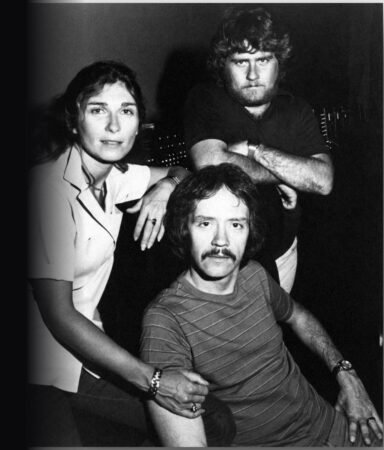
Gloria Holden (1903–1991) was an English-born American actress — Countess Marya Zaleska, the title role of Universal’s Dracula’s Daughter (1936).
Every horror canon has a performance the decades undervalued, and Gloria Holden’s is near the top of the list. Five years after Bela Lugosi invented the screen vampire, Holden played his daughter — not as a predator at peace with the curse, but as an aristocrat begging psychiatry to cure her of it. The film underperformed, the actress went back to prestige pictures and society-woman supporting roles, and the performance waited half a century for its reputation. It has it now: the first screen vampire who wants to be cured is hers. One correction before anything else, because the error is everywhere: Holden is not in Dracula (1931) — that film’s women are Helen Chandler and Frances Dade. Her first screen appearance of any kind is an uncredited bit in a 1934 serial, three years after Lugosi’s film.
Quick Specs
Born: September 5, 1903, London, England (full name Gloria Anna Holden)
Died: March 22, 1991, Redlands, California, aged 87 — myocardial infarction
Known for: Countess Marya Zaleska in Dracula’s Daughter (1936); Alexandrine Zola in The Life of Emile Zola (1937)
Trained: American Academy of Dramatic Arts, New York
Active: 1934–1958
London, Wayne, and the Broadway Understudy Years
Holden was born in London, the daughter of Charles Laurence Sutherland and his wife Eska, who was German, and emigrated to the United States as a child with her parents — the record certifies no more precise arrival than that. She was schooled in Wayne, Pennsylvania, the family living in suburban Philadelphia; in her early teens she took voice lessons and sang as a church chorister. Before acting she worked as an artists’ model, a personal shopper and in a beauty salon, and she studied acting at New York’s American Academy of Dramatic Arts — print that school and no other; the Pasadena Playhouse sometimes attached to her name is a fabrication that belongs to William Holden lore, not hers. Her Broadway years in the late 1920s were the understudy’s grind: replacing in the role of Della and understudying three parts in the original production of Kaufman and Ferber’s The Royal Family, a run in That Ferguson Family (1929), understudy work in Children of Darkness (1930), and succeeding Lilly Cahill in As Husbands Go (1931), with stock theatre in Cincinnati, Princeton and Scarborough between engagements. She married in 1921 — Harry Dawson Reynolds; a son, Lawrence, was born in 1922 — a biographical fact worth keeping in mind for the next paragraph’s arithmetic.
The Road to Zaleska
Her screen start was nearly invisible: an uncredited party guest in chapter one of the serial The Return of Chandu (1934) — opposite Lugosi, as it happens, though nobody could have known the pairing was a rehearsal. Her first credited film role was Joan Carstairs in the Clark Gable–Jean Harlow–Myrna Loy picture Wife vs. Secretary (1936). Within months, Universal gave her a title role and her first starring part: Dracula’s Daughter. (The birth year sometimes printed for her, 1908, is an error in one biographical encyclopedia — it would have made her twelve at her 1921 marriage and thirteen at her son’s birth. She was born in 1903, and this page prints 1903.)
Dracula’s Daughter — the Vampire Who Wanted a Cure
The film: Universal, directed by Lambert Hillyer, screenplay by Garrett Fort, released May 11, 1936, its final production cost reported at $278,380. It opens minutes after Dracula ends — and no, Lugosi does not act in it; announced early, he appears only as a wax bust of his likeness in Dracula’s coffin, made with his consent. The sole returning cast member is Edward Van Sloan, whose character is spelled Von Helsing in this film.
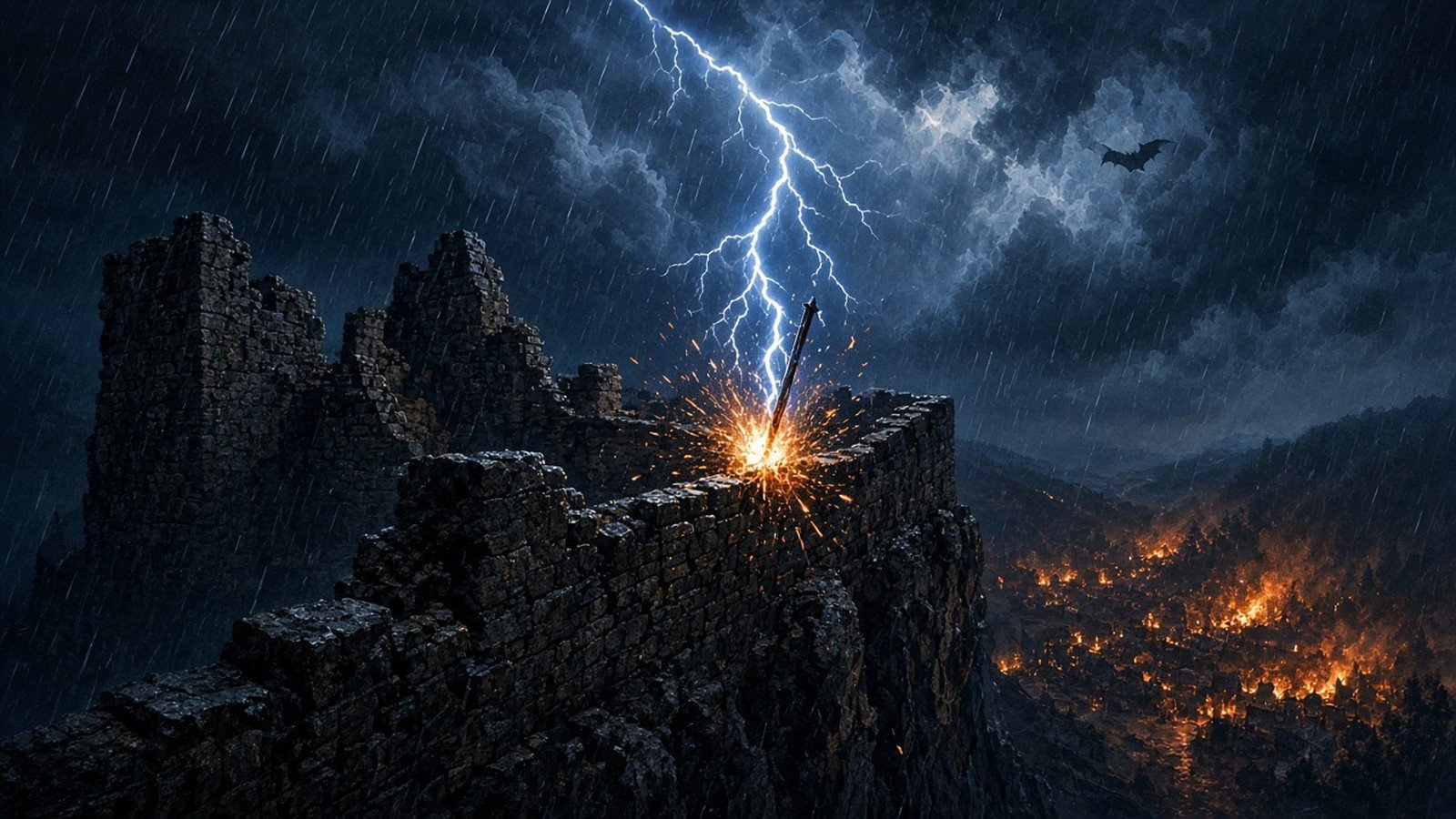
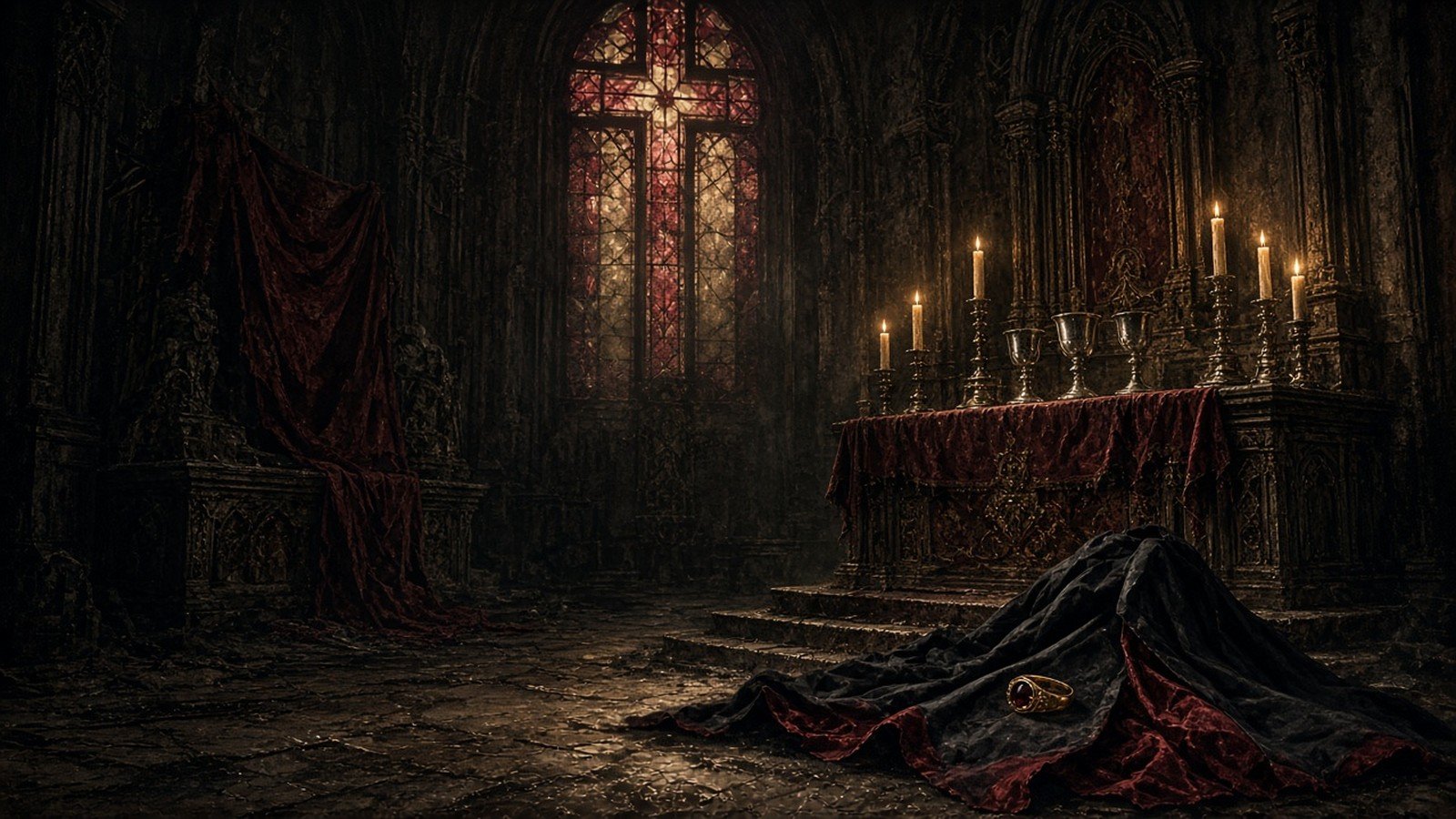
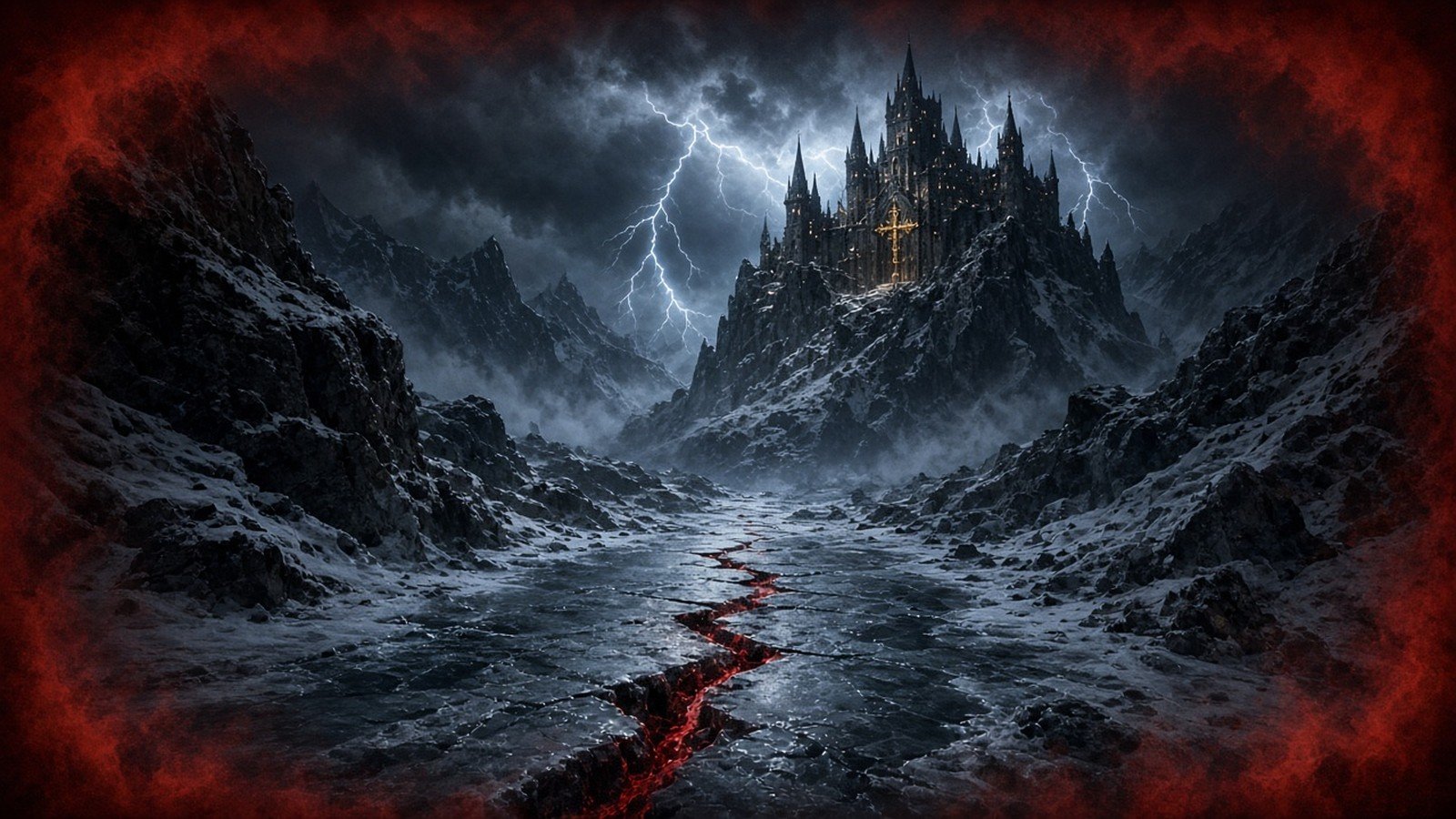
Zaleska’s story is a cure plot, not a conquest plot, and pages that make her a standard scheming vampiress misdescribe the film. With her servant Sandor, she steals her father’s body from the Whitby jail — mesmerizing the constable with her jeweled ring — and ritually burns it, hoping the destruction of Dracula‘s body will free her from vampirism. It does not. Trying to live as an artist in London, she meets psychiatrist Dr. Jeffrey Garth (Otto Kruger, the male lead) at a society party and asks him outright to cure her of the influence she feels from beyond the grave; he advises her to confront her cravings. Sandor brings her a model, Lili, a despairing young woman lured off a bridge; Zaleska resists, then attacks her, and Lili survives just long enough, under hypnosis, to point Garth at the Countess. Accepting that no cure exists, Zaleska kidnaps Garth’s secretary Janet and carries her to Castle Dracula, meaning to make Garth her eternal companion in exchange for Janet’s life — and before he can be turned, Sandor, promised immortality and betrayed, shoots Zaleska through the heart with an arrow. An arrow: not a stake, not sunlight. Her final look in the film — Pierce and Fulton’s greyish-green makeup under special lighting, giving her a pallor against every other player’s flesh tones — was noted in the New York Times‘ production coverage before the film even opened.
The contemporary verdicts were kind to her: Frank S. Nugent in the Times called her “a remarkably convincing bat-woman,” and Variety praised Holden’s performance in particular; the film still did not match the original’s box office. The reassessment took longer: Entertainment Weekly in 1992 called it “one of the most satisfying vampire pictures ever made” and wrote that Holden “absolutely drips patrician eroticism,” and modern criticism, divided on the film, consistently singles out her performance. The Zaleska–Lili sequence is also a landmark in queer film history — the first appearance of the lesbian-vampire trope on film, per the scholarship the subject attracts. And the influence carried forward: Anne Rice named Dracula’s Daughter a direct inspiration for her vampire fiction, credited Holden’s conflicted Countess in interviews, and named a bar “Dracula’s Daughter” in the film’s honour — in The Vampire Lestat, whatever some references say about The Queen of the Damned. Zaleska stands at the head of the Universal Monsters line as its most modern figure: the monster as patient.
Prestige Peak — and Its Exact Limits
A year later came the peak, and this page states its limits as carefully as its height. In The Life of Emile Zola (Warner Bros., 1937) Holden plays Alexandrine Zola, wife of Émile Zola (Paul Muni). The film won Outstanding Production — the Academy’s top category of the day, the one now called Best Picture — at the 10th Academy Awards, along with Supporting Actor and Screenplay, from ten nominations, the first film ever to reach ten. Holden herself was not nominated for anything, at the Oscars or elsewhere in her career, and no honest page inflates her résumé beyond the work. Around it: the Technicolor short The Man Without a Country (1937), itself Oscar-nominated; Test Pilot (1938) with Gable, Loy and Tracy; Dodge City (1939) with Errol Flynn and Olivia de Havilland; and the steady run of the late 1930s — Hawaii Calls, Girls’ School, Miracles for Sale, A Child Is Born.
The Later Career
Through the 1940s she worked steadily in the casting type the reference biographies describe — cold, patrician society women: This Thing Called Love (1940), The Corsican Brothers (1941), Miss Annie Rooney (1942), Behind the Rising Sun (1943), The Hucksters and Killer McCoy (1947), A Kiss for Corliss (1949). The final decade thinned to Has Anybody Seen My Gal? (1952), Dream Wife (1953) and The Eddy Duchin Story (1956, as Mrs. Duchin). Her last credited role was This Happy Feeling (1958); her final screen appearance, fittingly bookending the uncredited start, was an uncredited party guest in Auntie Mame (1958). She never returned to horror in any significant role — some modern cast roundups wrongly place her in House of Frankenstein (1944); she is not in it. Zaleska stands alone.
Personal Life, Death, and the Name She Gave Away
Her second marriage was to Harold A. Winston, a Columbia assistant director and talent scout, in 1932 (divorced 1937); her third, to William Hoyt in 1944, lasted until her death. Her son by that marriage, William Christopher Hoyt, was killed in 1970, at 22, when a boulder was rolled onto his car — a death listed as a homicide, stated here as plainly as the record states it. Gloria Holden died on March 22, 1991, at a hospital in Redlands, California, of a myocardial infarction, aged 87 — the “83” of trivia listings is the 1908 birth-year error working its way downstream, and it stops here. One last namesake discipline: William Holden was no relation of hers, by blood or marriage. The connection is an anecdote, and it is a good one — Billboard columnist George Ross wrote in 1939 that Harold Winston, recently divorced from Gloria, had renamed the young actor Bill Beedle “William Holden” in honour of his ex-wife. Print it as Ross’s story, which is what it is. Her monument needs no borrowed names anyway: a single performance, in the sequel of the most famous horror film ever made, that invented the reluctant vampire — the daughter who burned her father’s body and asked a doctor to save her, and has been gathering admirers ever since.